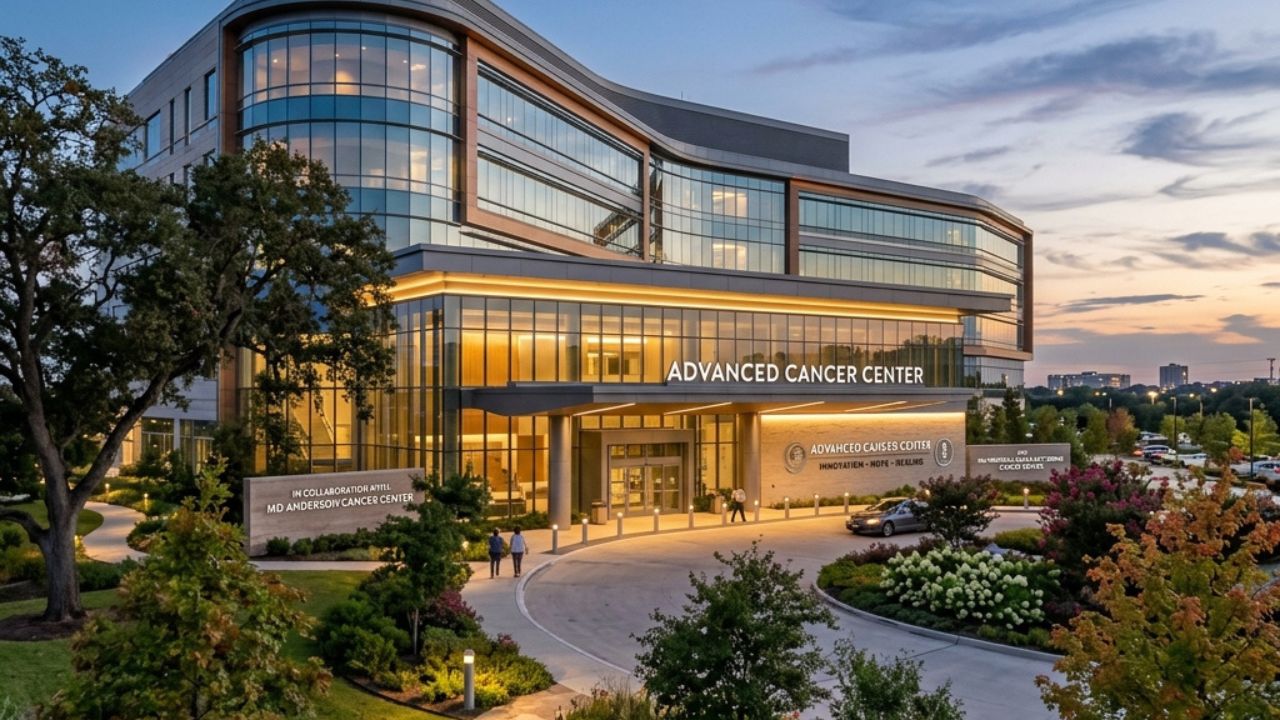
The top hospitals for rare cancer treatment in the USA include MD Anderson Cancer Center, Memorial Sloan Kettering Cancer Center, and the Mayo Clinic. These specialized institutions offer access to advanced clinical trials, multidisciplinary expert teams, and innovative therapies specifically designed for uncommon malignancies.
Receiving a rare cancer diagnosis brings a unique set of challenges. Unlike common cancers that have well-established treatment protocols and vast amounts of research data, rare cancers affect a much smaller percentage of the population. This scarcity of cases often leads to delayed diagnoses, limited standard treatment options, and a lack of local medical professionals who have firsthand experience managing the specific disease.
For patients and their families, navigating the healthcare system after a rare cancer diagnosis feels overwhelming. General oncologists provide excellent care for standard malignancies but may only see one or two cases of a specific rare cancer in their entire careers. This is why finding the right medical center is critical.
Patients with uncommon tumors need institutions equipped with comprehensive research facilities, advanced genomic testing capabilities, and doctors who dedicate their entire focus to highly specific cancer subtypes. By seeking out specialized expertise, patients gain access to tailored treatment plans and groundbreaking clinical trials that offer new avenues of hope. This guide explores the leading institutions in the United States dedicated to treating rare cancers, how to choose the right facility, and what innovations are shaping the future of care.
Why are specialized centers critical for rare cancer care?
The medical community defines a rare cancer as one that affects fewer than 15 out of 100,000 people each year. Despite the “rare” label, when grouped together, these uncommon cancers account for roughly a quarter of all cancer diagnoses. Because any single type of rare cancer has so few patients, standard community hospitals often lack the resources or the clinical volume to study them deeply.
Specialized cancer centers bridge this gap. These institutions, many of which are designated by the National Cancer Institute (NCI) as Comprehensive Cancer Centers, pool resources to focus on complex cases. They employ multidisciplinary teams consisting of surgical oncologists, medical oncologists, radiation therapists, pathologists, and genetic counselors. This collaborative approach ensures that every aspect of the patient’s condition is reviewed by multiple experts.
Furthermore, specialized centers house advanced diagnostic pathology departments. A correct diagnosis is the cornerstone of effective treatment. Because rare tumors can mimic benign conditions or other types of cancer, expert pathologists at top-tier centers frequently correct misdiagnoses made at smaller facilities, directly altering the treatment trajectory.
What criteria define the top hospitals for rare cancer treatment?
When evaluating where to seek treatment, patients and advocates should look for specific indicators of excellence. The best hospitals for rare cancer share several key characteristics that elevate their standard of care.
Extensive clinical trial access
Clinical trials provide access to the newest, most innovative drugs and therapies years before they become widely available. Top hospitals run dedicated early-phase trial programs specifically designed for rare solid tumors and hematologic malignancies.
Multidisciplinary tumor boards
A tumor board is a collaborative meeting where specialists from various disciplines review a patient’s case to determine the best course of action. Leading institutions hold disease-specific tumor boards, meaning a patient with a rare sarcoma will have their case reviewed by a team entirely dedicated to bone and soft tissue cancers.
High patient volume for rare conditions
Experience matters in medicine. Hospitals that treat a higher volume of a specific rare cancer generally report better patient outcomes. Surgeons who perform complex, uncommon procedures regularly have lower complication rates than those who perform them infrequently.
Advanced genomic testing and precision medicine
Understanding the genetic mutations driving a tumor allows doctors to target it effectively. The best hospitals mandate comprehensive genomic profiling for rare cancers to match patients with targeted therapies.
Which hospitals lead the nation in rare cancer treatment?
Several institutions in the United States consistently rank at the top for cancer care, backed by robust funding, brilliant medical minds, and comprehensive patient support programs. Here is a detailed look at three of the most prominent centers.
The University of Texas MD Anderson Cancer Center
Located in Houston, Texas, MD Anderson Cancer Center is widely recognized as one of the premier cancer treatment and research facilities in the world. MD Anderson operates highly specialized clinics for virtually every type of rare cancer, from advanced neuroendocrine tumors to rare forms of leukemia.
Because MD Anderson treats thousands of cancer patients daily, their specialists accumulate vast experience with diseases that other doctors might never encounter. The institution is heavily invested in translational research, meaning discoveries made in their laboratories are quickly transitioned into clinical applications for patients. MD Anderson also boasts one of the largest clinical trial programs in the nation, offering targeted therapies and novel immunotherapies for rare malignancies.
Memorial Sloan Kettering Cancer Center
Memorial Sloan Kettering (MSK) Cancer Center in New York City is the oldest and largest private cancer center in the world. MSK is renowned for its precision medicine initiatives, particularly through the MSK-IMPACT testing program. This tumor-profiling test analyzes the genetic mutations in a patient’s cancer cells, allowing oncologists to prescribe highly specific targeted therapies, even for the rarest cancer types.
MSK features dedicated centers for uncommon cancers, such as the Center for Sarcoma and Bone Oncology and the Center for Rare Cancers. These departments ensure that patients receive care from physicians who spend 100% of their time researching and treating these specific diseases. MSK also excels in complex surgical oncology, often taking on cases deemed inoperable by other institutions.
Mayo Clinic
With major campuses in Minnesota, Arizona, and Florida, the Mayo Clinic offers exceptional, highly coordinated care for complex and rare medical conditions. The Mayo Clinic model of care is built on rapid, collaborative diagnostics. A patient visiting the Mayo Clinic can often see multiple specialists, undergo advanced imaging, and receive a comprehensive treatment plan within a matter of days.
The Mayo Clinic is a leader in individualized medicine and cutting-edge radiation therapies, such as proton beam therapy. Proton therapy is particularly valuable for rare tumors located near critical organs, as it delivers high doses of radiation to the tumor while sparing the surrounding healthy tissue. Their commitment to treating the whole patient—integrating palliative care, nutrition, and psychological support—makes them a top choice for families navigating a rare cancer diagnosis.
What innovative treatments are advancing rare cancer care?
The landscape of cancer treatment is shifting rapidly, moving away from a one-size-fits-all approach toward highly personalized interventions. For rare cancers, these innovations are particularly crucial.
Genomic sequencing and targeted therapies
Historically, cancer was treated based on where it originated in the body. Today, oncologists increasingly treat cancer based on its genetic makeup. Next-generation sequencing allows doctors to identify the specific DNA alterations driving tumor growth. If a rare cancer shares a genetic mutation with a more common cancer, doctors can use targeted drugs designed for the common cancer to effectively treat the rare one. This cross-application of targeted therapies has revolutionized rare cancer management.
Immunotherapy advancements
Immunotherapy harnesses the patient’s own immune system to recognize and destroy cancer cells. While early immunotherapies were only effective for a few cancer types, researchers are expanding their use. Cellular therapies, such as CAR T-cell therapy, involve engineering a patient’s T-cells in a laboratory to attack specific cancer proteins. Top hospitals are currently running trials to adapt CAR T-cell therapy for rare solid tumors.
Artificial intelligence in diagnostics
Artificial intelligence (AI) is transforming diagnostic pathology. AI algorithms can analyze tissue slides and radiologic images to detect subtle patterns that human eyes might miss. For rare cancers, where diagnostic expertise is scarce, AI serves as a powerful second opinion, helping confirm complex diagnoses and predicting how a tumor might respond to specific treatments.
How can patients access resources and support networks?
Medical treatment is only one part of the journey. The emotional, logistical, and financial burdens of treating a rare cancer require comprehensive support systems.
Patients should utilize patient navigation services offered by major cancer centers. Patient navigators help coordinate appointments, manage medical records, and connect families with lodging assistance for out-of-town treatment.
Advocacy groups also play a vital role. Organizations like the National Organization for Rare Disorders (NORD) and specific rare cancer foundations provide educational materials, financial assistance programs, and peer-to-peer support networks. Connecting with other patients who have the same rare diagnosis reduces isolation and empowers patients to share knowledge about treatment experiences and clinical trial opportunities.
Empowering your rare cancer treatment journey
A rare cancer diagnosis is life-altering, but the landscape of treatment is more promising today than ever before. By seeking care at specialized institutions like MD Anderson, Memorial Sloan Kettering, or the Mayo Clinic, patients gain access to multidisciplinary expertise, advanced genomic profiling, and cutting-edge clinical trials.
Knowledge is the most powerful tool a patient can possess. Take the time to request second opinions, ask oncologists about their specific experience with your cancer subtype, and explore available clinical trials. By leveraging the resources of top-tier medical centers and connecting with rare cancer advocacy networks, patients and their families can make informed, confident decisions about their healthcare.
Frequently Asked Questions (FAQ)
How do I get a referral to a top rare cancer hospital?
You can request a referral directly from your primary care physician or local oncologist. Many top hospitals, such as the Mayo Clinic and MD Anderson, also allow patients to self-refer by submitting their medical records online for review through their intake departments.
Will my health insurance cover treatment at a specialized cancer center?
Coverage depends entirely on your specific insurance plan network and benefits. Complex and rare diagnoses often qualify for “network deficiency” exceptions if the required expertise is not available locally. Always contact your insurance provider and the hospital’s financial counseling office to verify coverage before beginning treatment.
What should I bring to my first appointment at a specialized cancer center?
Bring all medical records related to your diagnosis. This includes pathology slides (actual tissue samples), radiology images on a disc (CT, MRI, PET scans), surgical reports, doctors’ clinical notes, and a complete list of current medications and previous treatments.
Are clinical trials safe for treating rare cancers?
Clinical trials are heavily regulated and monitored for safety by Institutional Review Boards (IRBs) and the FDA. While all medical treatments carry risks, clinical trials offer closely supervised access to the newest therapies when standard treatments have failed or do not exist for a specific rare cancer.
Can I receive treatment locally while consulting with a top hospital?
Yes. Many patients utilize a shared-care model. You can travel to a specialized cancer center for an initial evaluation, genomic testing, and treatment planning. The experts at the specialized center will then coordinate with your local oncologist to administer standard treatments, like chemotherapy, closer to your home.