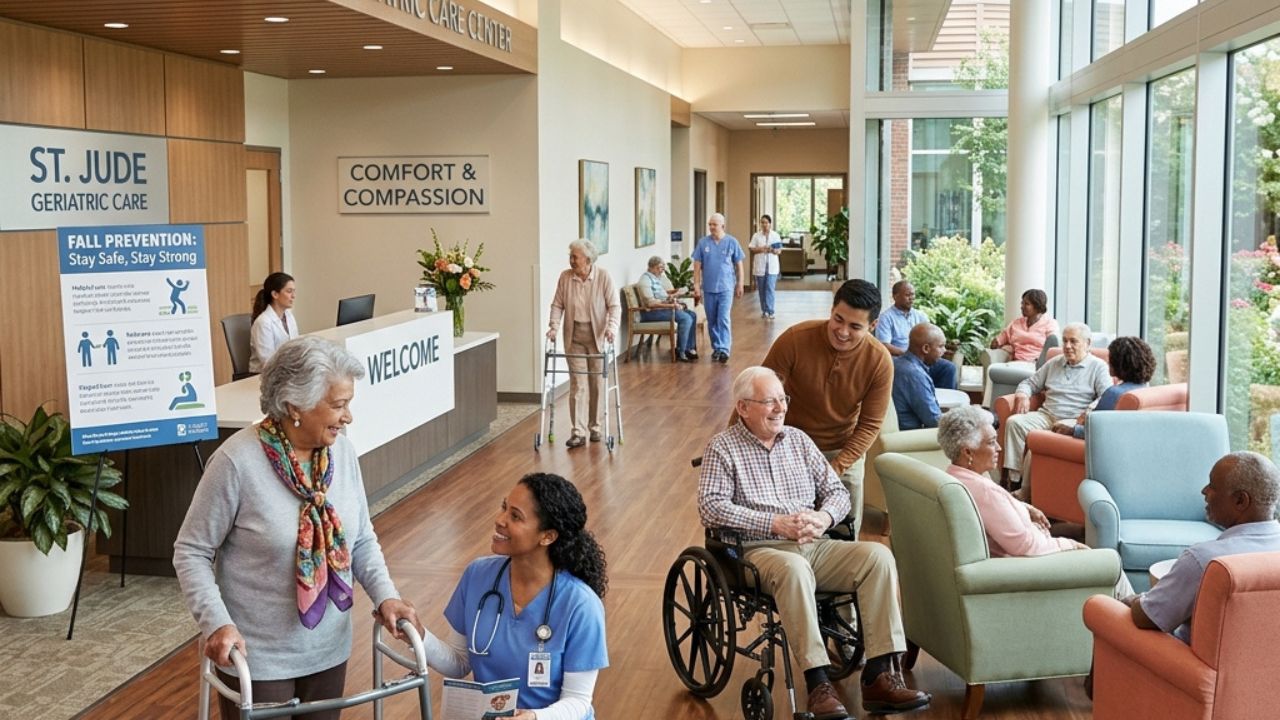
The best geriatric hospitals combine specialized medical departments, trained staff, comprehensive assessment protocols, fall prevention programs, and mental health services to deliver coordinated care for elderly patients. Top-ranked institutions include Mayo Clinic, Johns Hopkins, and UCLA Health—each recognized for their dedicated geriatric medicine programs and patient outcomes.
Aging is universal. But the quality of care people receive as they age is anything but equal.
By 2030, the World Health Organization projects that 1 in 6 people globally will be over the age of 60. By 2050, the global population of people aged 80 and older is expected to triple. These numbers tell a clear story: the demand for quality geriatric healthcare is rising fast, and healthcare systems around the world are scrambling to keep up.
Geriatric healthcare is far more complex than general medicine. Elderly patients frequently present with multiple chronic conditions, age-related cognitive changes, and social factors that all interact in ways that require careful, coordinated management. A hospital that excels at cardiac surgery or oncology may not have the resources, training, or infrastructure to deliver genuinely excellent care for an 82-year-old with heart failure, early dementia, and limited mobility.
This guide breaks down exactly what distinguishes a top geriatric hospital from an average one—and highlights some of the leading institutions setting the benchmark for elder care worldwide. Whether you’re planning care for a loved one or researching your options, this post will help you make a more informed decision.
What Makes a Hospital Excel at Geriatric Care?
Not all hospitals are built to care for older adults effectively. Several core capabilities separate the best geriatric hospitals from the rest.
Do They Have a Dedicated Geriatric Medicine Department?
The foundation of excellent elder care is specialization. The best hospitals employ board-certified geriatricians—physicians specifically trained to manage the complex, interconnected health needs of older patients. These departments work collaboratively with specialists across cardiology, neurology, orthopedics, and psychiatry to ensure that treatment decisions account for the whole patient, not just a single condition.
Geriatricians also lead interdisciplinary care teams, which typically include nurses, pharmacists, social workers, physical therapists, and dietitians. According to the American Geriatrics Society, this team-based approach consistently leads to better patient outcomes, reduced hospital readmission rates, and higher patient satisfaction scores among elderly patients.
How Thoroughly Do They Assess Elderly Patients?
Comprehensive geriatric assessment (CGA) is widely regarded as the gold standard for evaluating older patients. A CGA evaluates a patient’s medical history, cognitive function, mental health, physical capability, nutritional status, and social support systems—all in a single, coordinated process.
Hospitals that perform CGA on admission are significantly better positioned to develop personalized care plans. Research published in The Lancet found that patients who received CGA in dedicated geriatric units were more likely to be living at home and functioning independently at six months compared to those receiving standard care.
What Fall Prevention Programs Do They Offer?
Falls are the leading cause of injury-related hospitalization among adults over 65 in the United States, according to the Centers for Disease Control and Prevention (CDC). Each year, roughly 3 million older adults are treated in emergency departments for fall-related injuries.
Top geriatric hospitals treat fall prevention as a clinical priority—not an afterthought. Leading programs include regular mobility assessments, physical and occupational therapy, environmental modifications (such as non-slip flooring and grab bars), and medication reviews to identify drugs that increase fall risk. Hospitals that track and publicly report fall rates tend to hold themselves to a higher standard of accountability.
How Well Do They Address Cognitive and Mental Health Needs?
Cognitive decline, dementia, delirium, and depression are among the most prevalent conditions affecting elderly patients—and among the most frequently undertreated. An estimated 6.7 million Americans aged 65 and older were living with Alzheimer’s disease in 2023, according to the Alzheimer’s Association.
The best geriatric hospitals offer memory care programs, dedicated dementia units, and embedded psychiatric support for seniors experiencing depression or anxiety. Delirium—a sudden change in mental status that is especially common in hospitalized elderly patients—is actively monitored and managed in high-quality geriatric wards, rather than being dismissed as a normal part of aging.
Do They Provide Palliative and End-of-Life Care?
Palliative care focuses on relieving pain, managing symptoms, and supporting the emotional and spiritual well-being of seriously ill patients—at any stage of illness, not just at the end of life. For elderly patients managing multiple chronic conditions, access to palliative care can dramatically improve quality of life.
Top hospitals integrate palliative care teams within their geriatric departments. They also offer advance care planning services, helping patients and families articulate treatment preferences before a crisis occurs. Hospitals accredited by the National Palliative Care Standards demonstrate a measurable commitment to this dimension of care.
Top Hospitals for Geriatric Care in 2024
Several institutions have consistently distinguished themselves in geriatric medicine through research, clinical outcomes, and patient experience.
Mayo Clinic (Rochester, Minnesota)
Mayo Clinic ranks among the top hospitals in the United States across most specialties, and geriatric medicine is no exception. Mayo’s Division of Community Internal Medicine, Geriatrics, and Palliative Care provides comprehensive assessment services, memory care programs, and specialized dementia consultations. Mayo’s integrated, multi-specialty model is particularly well-suited to elderly patients who arrive with complex, overlapping conditions.
Its geriatric evaluation and management unit uses evidence-based protocols and tracks outcomes rigorously—enabling continuous improvement in care delivery. U.S. News & World Report has consistently ranked Mayo Clinic among the top hospitals nationally for geriatric care.
Johns Hopkins Hospital (Baltimore, Maryland)
Johns Hopkins is home to the Division of Geriatric Medicine and Gerontology, one of the most research-active geriatric programs in the country. Its clinical programs include a comprehensive geriatric assessment clinic, a delirium prevention program, and a memory disorders clinic focused on early detection and management of Alzheimer’s disease and related conditions.
Johns Hopkins researchers have contributed significantly to the scientific literature on fall prevention, polypharmacy (the risks of prescribing multiple medications to elderly patients), and delirium management. Patients who receive care here benefit from access to cutting-edge research protocols alongside evidence-based clinical treatment.
UCLA Health (Los Angeles, California)
UCLA Health’s Geriatric Medicine program blends clinical excellence with an emphasis on healthy aging and disease prevention. The program’s multidisciplinary team includes geriatricians, social workers, neuropsychologists, and physical therapists, with a particular strength in cognitive assessments and dementia care.
UCLA’s geriatric care model also prioritizes patient education and caregiver support—recognizing that a patient’s ability to thrive after discharge often depends on the knowledge and capacity of the people caring for them at home.
Massachusetts General Hospital (Boston, Massachusetts)
Mass General’s Division of Palliative Care and Geriatric Medicine offers a range of services spanning inpatient geriatric consultation, outpatient geriatric assessment, and advanced dementia care. The hospital has invested significantly in age-friendly care models, working toward the “4Ms” framework endorsed by the Institute for Healthcare Improvement: What Matters, Medication, Mentation, and Mobility.
This framework ensures that every interaction with an elderly patient addresses their personal goals and values—not just their clinical symptoms.
Cleveland Clinic (Cleveland, Ohio)
Cleveland Clinic’s Center for Geriatric Medicine provides care across outpatient and inpatient settings, with a strong focus on frailty assessment and management, polypharmacy review, and transitional care planning. Transitional care—supporting elderly patients as they move between hospital, rehabilitation facility, and home—is a critical gap that many hospitals fail to address well. Cleveland Clinic’s structured discharge planning process significantly reduces the risk of rehospitalization within 30 days.
How to Evaluate a Geriatric Hospital for Your Needs
Knowing which hospitals top the rankings is a useful starting point, but the right choice depends on individual circumstances. Here are the key factors to consider when making a decision.
Geographic accessibility: The best hospital in the country is of limited value if it requires a patient to travel across the country for every follow-up appointment. Look for strong regional options that balance quality with practical access.
Specialty alignment: If a patient has a primary condition—such as Parkinson’s disease, heart failure, or advanced COPD—look for a geriatric program that has particular depth in that area.
Caregiver support services: For families providing care at home, hospitals that offer structured caregiver training, respite programs, and after-hours support lines can make a significant difference in sustainability of care.
Patient-to-staff ratios: Higher staffing levels in geriatric wards are consistently associated with better outcomes. Where possible, ask about staff ratios during your research or initial consultation.
Accreditation and quality reporting: Hospitals that participate in national quality reporting initiatives—and that make their data publicly accessible—are typically more transparent and accountable.
Planning Ahead Makes All the Difference
Quality geriatric care rarely happens by accident. The families and patients who navigate the system most effectively tend to be those who begin researching options before a crisis forces an urgent decision.
If you or someone you love is approaching a stage of life where geriatric care may become relevant, start by speaking with a primary care physician about a referral to a geriatric medicine specialist. Ask about comprehensive geriatric assessment, advance care planning, and what resources exist locally and regionally.
The gap between average care and excellent care for elderly patients can be significant—in terms of quality of life, functional independence, and even longevity. Choosing a hospital with genuine expertise in geriatric medicine is one of the most consequential healthcare decisions a family can make.
Frequently Asked Questions
What is geriatric care, and how is it different from regular medical care?
Geriatric care is a specialty focused on the unique health needs of older adults, typically those aged 65 and above. Unlike standard medical care, geriatric medicine addresses multiple chronic conditions simultaneously, accounts for cognitive and functional changes associated with aging, and incorporates social and emotional factors into treatment planning.
At what age should someone see a geriatrician?
There is no fixed age threshold. Most people begin seeing a geriatrician when they reach 75 or older, or earlier if they are managing multiple chronic conditions, experiencing cognitive changes, or facing frequent hospitalizations. A primary care physician can provide a referral when appropriate.
What is a comprehensive geriatric assessment (CGA)?
A comprehensive geriatric assessment is a structured evaluation that examines a patient’s medical, functional, cognitive, and social status. It is performed by an interdisciplinary team and used to develop a personalized care plan. Research shows that CGA leads to better patient outcomes compared to standard clinical assessments.
What is the 4Ms framework in age-friendly hospital care?
The 4Ms framework—developed by the Institute for Healthcare Improvement—guides hospitals to focus on four key elements when caring for older adults: What Matters (personal goals and values), Medication (safe prescribing), Mentation (cognitive health and delirium prevention), and Mobility (maintaining safe movement). Hospitals that adopt this framework deliver more holistic, patient-centered geriatric care.
How do I find the best geriatric hospital near me?
Start with U.S. News & World Report’s annual hospital rankings, which include a dedicated geriatrics category. The American Geriatrics Society’s website also provides resources for finding certified geriatricians and accredited programs. Consulting your primary care physician for a local referral remains one of the most reliable first steps.